From First Plan to Final Celebration: Planning Your Wedding at Police Convention Hall in Avadi
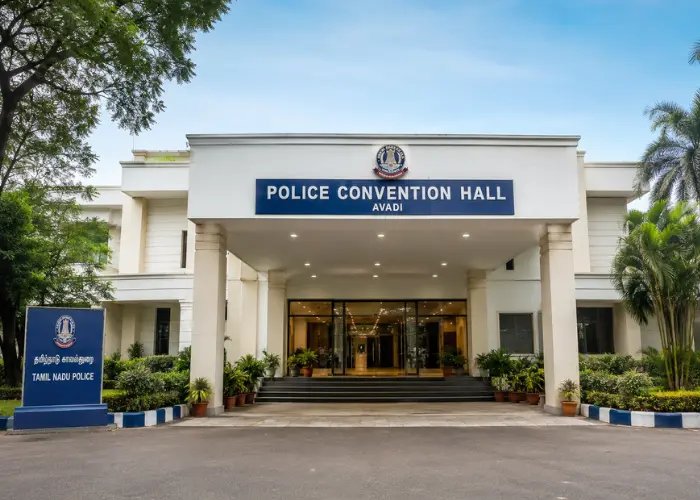
Whether you are planning a traditional Tamil Muhurtham, a reception or a larger family celebration, start with the venue and guest requirements first. Your decor and vendor decisions should follow from there.
A practical wedding plan should answer a few basic questions early:
- How many guests are expected?
- What type of function are you hosting?
- What decor style suits the occasion?
- What does the venue allow?
- When can vendors access the hall?
- How should the budget be divided?
- Who will coordinate everything on the wedding day?
Answering these questions before finalising individual services makes the rest of the planning process much easier.
Police Convention Hall in Avadi
Police Convention Hall in Avadi can be considered for weddings and other large family functions, subject to the venue's current availability, facilities and policies.
Before confirming your arrangements, verify the guest capacity, timings, parking, dining setup, decoration permissions, outside-vendor access and applicable charges directly with the venue. Its location in Avadi also makes it relevant for families planning celebrations in and around this part of Chennai.
The most important point is to confirm the current venue information before making payments or finalising vendors. Avoid relying on outdated listings for details such as capacity, facilities or venue restrictions.
Police Convention Hall in Avadi: Location and Venue Overview
For families searching for a convention hall in Avadi or planning a wedding in the western part of Chennai, location is an important practical consideration.
A venue should be assessed not only by how it looks in photographs but also by how easily guests can reach it and how comfortably the event can operate.
Before booking, consider:
- How guests will reach the venue
- Parking and vehicle access
- Entrance and guest movement
- Seating arrangement
- Dining arrangement
- Vendor access
- Decoration setup
- Event timings
- Availability of guest facilities, if required
The exact current address, access arrangements, and venue facilities should be confirmed directly before sharing the details with guests.
For families inviting guests from different parts of Chennai, providing clear directions and considering travel time can also improve the overall guest experience.
Important Factors to Check Before Booking Police Convention Hall
A venue booking should give you clarity about more than just the wedding date.
Before confirming the hall, ask about the following.
Guest Capacity and Layout
Make sure your expected guest count fits comfortably within the venue's permitted capacity. A technically suitable capacity does not always mean the same layout will work for every wedding.
Your seating, dining, stage and ceremony requirements all need to be considered together.
Event Timings
Confirm when the event can begin and end and whether the decorator gets enough time for installation before guests arrive.
This is especially important when you are planning detailed stage decoration or multiple functions on the same day.
Decor Rules
Ask whether the venue has restrictions on:
- Large stage structures
- Hanging decorations
- Adhesives or fixing methods
- Electrical installations
- Floral installations
- Sound and lighting equipment
Knowing these rules before approving the decor can prevent expensive last-minute changes.
Outside Vendors
If you already have a preferred decorator, caterer, photographer or entertainment team, confirm whether they are permitted to work at the venue.
Never assume that outside vendors are automatically allowed.
Setup and Dismantling
Ask when vendors can enter for setup and when the decoration and equipment must be removed.
This information should be shared with every relevant vendor so that the wedding-day schedule remains realistic.
Charges and Conditions
Ask for clarity on any additional charges related to extra hours, vendor access, cleaning, equipment or other venue requirements.
Important booking conditions should preferably be documented rather than discussed only verbally.
Planning a Traditional Tamil Wedding at Police Convention Hall
A traditional Tamil wedding has its own rituals, timing and visual identity. The decor should support those elements instead of making the ceremony feel like a generic event.
For a Muhurtham, traditional styling can include:
- Jasmine and marigold flowers
- Traditional floral garlands
- Thoranam and mango-leaf elements
- Brass lamps
- Traditional backdrop details
- Warm and natural colours
- Cultural elements that reflect the family's preferences
The stage and ceremony area can carry most of the visual focus, while other parts of the venue can remain relatively clean.
This creates a more comfortable environment for guests while allowing the important wedding rituals to remain the centre of attention.
Keeping Traditional Decor Natural
Traditional does not have to mean excessive.
For example, a combination of jasmine, green foliage and brass elements can create a classic South Indian appearance without covering the entire venue with flowers.
Similarly, marigold flowers with traditional leaf decorations can create a strong festive look while keeping the design visually balanced.
The best approach is to select a few elements that complement each other rather than using every possible traditional decoration.
Wedding Decoration Ideas and Style Options for Police Convention Hall
The right decoration depends on the function, guest count, time of day, and the atmosphere you want to create.
Instead of choosing a decoration package first, consider how the design will work with the actual venue.
Traditional Floral Decor
Traditional floral decoration can work particularly well for Muhurtham functions.
Jasmine, marigold, foliage, brass elements and cultural details can create a familiar South Indian wedding atmosphere.
The stage can remain the primary decorative focus, with lighter styling at the entrance and other important areas.
Contemporary Reception Decor
A reception can have a cleaner and more modern appearance.
A structured backdrop, carefully placed floral details, balanced colours and suitable evening lighting can create an elegant setting without making the stage feel crowded.
The decor should also leave enough space for the couple, family members and photographers.
Minimal and Elegant Decor
Not every wedding needs extensive decoration.
If you prefer a simple appearance, focus on the areas guests notice most, such as the entrance and stage.
Using fewer decorative elements with better placement can often create a cleaner result than filling every available surface.
Theme-Based Decor
A personalised wedding can follow a particular colour palette, floral style or design direction.
Possible approaches include:
- Pastel floral
- Gold and white
- Classic traditional
- Contemporary South Indian
- Green and floral
- Temple-inspired
The theme should be consistent across the major decorated areas rather than appearing differently in every part of the venue.
Traditional and Contemporary Decor Options
| Style | Suitable For | Key Approach |
|---|---|---|
| Traditional | Muhurtham | Floral and cultural elements |
| Contemporary | Reception | Clean backdrop and modern styling |
| Minimal | Intimate celebrations | Less decoration with stronger detailing |
| Theme-based | Personalised weddings | Consistent colours and design |
The purpose of this comparison is not to suggest one style is better than another. Your choice should depend on the type of function, your family's preferences and the available budget.
A well-planned design should feel appropriate for the venue rather than simply copying a decoration seen at another wedding.
Planning the Stage, Lighting and Photography at Police Convention Hall
The stage is usually one of the most photographed parts of a wedding, so its design should be planned around both the venue and the camera.
A common mistake is choosing a large stage from a reference image without checking whether the same proportions will work in the actual hall. The stage should have enough visual presence without making the seating or movement areas feel restricted.
Before finalising the design, consider:
- Stage dimensions and backdrop height
- Couple's seating position
- Family seating requirements
- Guest viewing angles
- Photographer and videographer positions
- Space around the stage
- Lighting direction
- Electrical requirements
A traditional Muhurtham can use floral and cultural elements, while a reception can use a cleaner backdrop with structured floral details. In either case, the couple should remain the visual focus.
Lighting Should Be Planned With the Decor
Lighting is not simply about making the stage brighter. It affects how the flowers, backdrop, clothing and photographs appear.
For daytime functions, available natural light can contribute to the overall atmosphere. Evening receptions usually need more deliberate stage and ambient lighting.
The lighting plan should avoid:
- Harsh shadows on the couple
- Strong reflections on the backdrop
- Excessive brightness
- Dark areas around the stage
- Lighting that affects video recording
Discuss the lighting arrangement with the photographer and decorator before the final design is approved.
Make the Decor Photography-Friendly
The stage will appear in photographs throughout the ceremony and reception. Keep enough visual balance around the couple instead of placing large floral arrangements or decorative structures directly in front of them.
A well-designed backdrop, balanced lighting and carefully positioned floral details can create an attractive setting while keeping the couple clearly visible in photographs.
Decorator Selection and Vendor Access: What to Confirm
If you already have a decorator in mind, confirm the venue's current vendor policy before making an advance payment.
Do not assume that outside decorators, caterers or entertainment teams can automatically work at the venue.
Ask the venue about:
- Outside decorator permissions
- Vendor entry timings
- Loading and unloading arrangements
- Setup duration
- Stage and structural restrictions
- Hanging or ceiling decoration rules
- Electrical requirements
- Sound and lighting restrictions
- Dismantling timings
- Additional charges
If the venue allows your preferred vendors, arrange a site visit before the final decor is approved.
The decorator should understand where materials can be brought in, how much time is available for installation and what restrictions need to be followed.
This is particularly important when you are planning a customised stage, large floral installation or detailed reception setup.
Don't Book the Decorator Before Checking the Venue
A reference image may look perfect, but the actual installation could require more space, additional setup time or fixing methods that the venue does not permit.
Confirming these details early can save you from redesigning the stage after the decorator has already been booked.
Smart Wedding Budget Planning for Police Convention Hall
A controlled wedding budget does not mean compromising on the celebration. It means deciding where your money will create the most value.
Instead of reducing every service equally, identify expenses that can be controlled without affecting guest comfort or the overall appearance.
Where Couples Overspend
| Wedding Area | Common Waste | Smarter Approach |
|---|---|---|
| Stage | Oversized structures | Design around the actual space |
| Flowers | Excessive coverage | Focus on important areas |
| Lighting | Too many fixtures | Use lighting where it improves visibility and photographs |
| Food | Over-ordering | Plan according to expected attendance |
| Entertainment | Unnecessary additions | Match it to the function |
| Decor Changes | Rebuilding everything | Reuse suitable elements where practical |
For example, adding more flowers to an already detailed stage may not improve its appearance significantly. Better placement and lighting can sometimes create a stronger result.
Similarly, ordering a much larger quantity of food simply to be safe can increase waste without improving the guest experience.
Where to Invest Instead
Once unnecessary spending has been identified, consider putting more of the budget into areas that directly affect the celebration.
Food Quality and Service
Guests are likely to remember the food and service more than an additional decorative element.
Guest Comfort
Comfortable seating, easy movement and a well-managed dining arrangement can improve the overall experience.
Photography and Videography
Your wedding photographs will preserve the celebration long after the event. Good photography and suitable lighting can therefore be worthwhile priorities.
Lighting
The right lighting can improve both the venue atmosphere and the appearance of the stage in photographs.
Vendor Coordination
Even good vendors can create problems if their timings are not coordinated. Professional supervision can help keep the event running smoothly.
Wedding-Day Execution
A well-managed event allows the family to participate in the celebration rather than spending the day resolving operational issues.
The ideal budget will be different for every family. The important point is to spend intentionally rather than adding services simply because they are available.
Catering and Guest Count Planning for Your Wedding
Food is one of the most important parts of a wedding, but it is also one of the easiest areas to overestimate.
Start with a realistic guest count for each function instead of using one number for the entire wedding.
For example, your Muhurtham, reception and smaller family functions may all have different attendance levels.
Before finalising the catering plan, discuss:
- Expected attendance
- Function-wise guest count
- Meal timings
- Menu preferences
- Buffet arrangement
- Special dietary requirements
- Expected last-minute changes
Avoid Planning Food Only by the Maximum Possible Guest Count
Families naturally want to make sure nobody goes without food. However, ordering significantly beyond realistic attendance can increase both expenditure and wastage.
Work with the caterer to establish practical quantities based on the expected attendance and type of service.
The aim should be simple:
Enough food, good quality and smooth service — without unnecessary excess.
Creating a Smooth Guest Experience at a Large Wedding
A wedding can have beautiful decor and still feel uncomfortable if guests cannot move easily.
Think about the complete guest journey:
Entrance
The entrance should be welcoming without creating a bottleneck. Large decorative structures should not obstruct guest movement.
Seating
Make sure guests have clear access to their seating areas and that important views are not blocked by decor.
Ceremony
Keep enough space around the main ceremony area for the couple, family members, photographers and other participants.
Dining
Guests should be able to reach the dining area without unnecessary congestion.
Photography
Avoid placing photography activities directly in busy walkways. This allows the photographer to work while guests continue moving comfortably.
Exit
The end of the event should be as easy to manage as the beginning. Clear movement paths can make a noticeable difference when many guests leave together.
For a larger wedding, these details are easy to overlook during decor planning. Considering them early can make the event feel much more organised.
Wedding Planning Timeline: What to Book First in Avadi
A clear timeline helps you avoid making every decision at the last minute. You do not need to finalise every small detail months in advance, but the major bookings should be completed early.
6–8 Months Before
Start with the foundation:
- Confirm the venue and wedding date
- Finalise your wedding planner
- Prepare an initial guest estimate
- Decide whether the wedding will follow a traditional, contemporary or personalised style
3–5 Months Before
Move into the main arrangements:
- Decor concept and stage design
- Catering
- Photography and videography
- Entertainment
- Guest accommodation, if required
- Major vendor coordination
This is also a good stage to conduct a venue visit with the decorator and planner so the design can be adapted to the actual space.
1–2 Months Before
Start finalising the details:
- Confirm the decor design
- Review the vendor schedule
- Finalise the wedding-day timeline
- Review guest arrangements
- Discuss any changes with the caterer
- Confirm venue and vendor requirements
Final Weeks
Reconfirm the details rather than making major new decisions.
- Final guest estimate
- Venue timings
- Vendor arrival times
- Decoration setup
- Catering quantities
- Photography schedule
- Entertainment
- Wedding-day responsibilities
Wedding Day
The planning team should oversee the setup, decor, vendor arrivals, schedule and execution so the family can concentrate on the ceremony and guests.
Choosing the Right Wedding Planner for Police Convention Hall
A wedding planner should do more than show you decoration designs. They should understand how the venue, vendors and wedding schedule need to work together.
Before choosing a planner, look for:
Venue Familiarity
Ask whether the team has previously worked at the venue. If not, they should be willing to conduct a proper site visit before finalising the plan.
Clear Quotation
The quotation should explain what is included rather than simply giving one overall figure.
Practical Decor Planning
The planner should consider the actual venue space, guest count, stage requirements and available setup time.
Vendor Coordination
Find out who will communicate with the caterer, decorator, photographer, entertainment team and venue.
Wedding-Day Execution
Ask who will actually be present during the event and responsible for handling last-minute issues.
Transparent Communication
A reliable planner should clearly explain what can be changed, what may cost extra and what needs venue approval.
The right planner should help turn your ideas into a workable wedding plan rather than simply encouraging you to add more services.
Questions to Ask Your Wedding Planner Before You Book
Before paying an advance, ask a few direct questions:
- Have you planned a wedding at this venue before?
- Will you conduct a site visit before finalising the decor?
- What exactly is included in the quotation?
- Can the decor be customised according to our requirements and budget?
- Who will coordinate the different vendors?
- Are there any additional charges we should know about?
- Who will manage the wedding-day execution?
- How much setup time will the decoration team require?
These questions can help you compare planners based on their planning process and execution, rather than choosing only by price.
Common Wedding Planning Mistakes to Avoid at Police Convention Hall
Choosing Decor Before Checking the Venue
A stage or entrance design that looks good in another wedding may not suit the actual space. Finalise the design after a proper venue assessment.
Not Confirming Vendor Access
If you want to use your own decorator, caterer or entertainment team, confirm the venue's current rules before booking them.
Overestimating Food
Planning for far more guests than realistically expected can increase both your catering cost and food wastage.
Ignoring Lighting
Lighting should be considered while planning the stage because it affects the decor, photographs and video.
Approving Decor Without a Site Visit
Reference photographs cannot show practical details such as access, available space or installation limitations.
Leaving Vendor Coordination to the Family
The family should not have to spend the wedding day calling vendors, checking setup or solving timing problems. Assigning these responsibilities to a planner or dedicated coordinator can make the day much easier.
Bringing Your Police Convention Hall Wedding Together With Vinayaka Weddings
Once the venue, decor and vendors are selected, the real challenge is making sure everything works together on the wedding day.
Vinayaka Weddings can coordinate the planning and execution around your requirements, connecting venue-specific decor, stage styling, lighting and vendor timings with catering, photography and entertainment. This helps keep the different parts of the celebration working from one clear schedule rather than being managed as separate bookings.
The focus is on creating a plan that fits the venue, guest count, preferred style and budget instead of adding services simply for the sake of it. For a wedding at Police Convention Hall in Avadi, this coordinated approach can help keep the decor setup, catering schedule, photography and entertainment aligned throughout the event.
The result is a celebration that feels organised while allowing the family to focus on the people and moments that matter.
Planning your wedding at Police Convention Hall in Avadi? Connect with Vinayaka Weddings to discuss your decor, vendor coordination and wedding-day planning, and start creating your celebration with confidence.
Frequently Asked Questions About Police Convention Hall Weddings
1. Is Police Convention Hall in Avadi suitable for weddings?
It can be considered for wedding celebrations and other functions. However, families should confirm the current venue facilities, permitted capacity, timings, and event policies before booking.
2. Where is Police Convention Hall in Avadi located?
Police Convention Hall is associated with the Avadi area of Chennai. Before sharing the location with guests, confirm the current venue address and directions directly with the venue.
3. Does Police Convention Hall allow outside decorators?
This should be confirmed directly with the venue because vendor policies can vary. Ask about decorator access, setup timings, installation restrictions, and any additional charges before booking.
4. What type of decoration is suitable for Police Convention Hall?
The decoration should match the function and available space. Traditional floral styling can suit a Tamil Muhurtham, while a reception can use a cleaner backdrop, balanced lighting and carefully placed floral details.
5. How much does wedding decoration cost at Police Convention Hall?
There is no single price for wedding decoration. The cost can depend on the stage design, flowers, entrance decor, lighting, the number of functions, materials, and the level of customisation. A venue-specific quotation is more useful than a general price estimate.
6. How early should I book a wedding planner in Avadi?
Booking several months in advance is advisable, especially if you want customised decor, multiple vendors, or more than one function. Early planning gives you more time to coordinate the major arrangements.
7. What should I check before booking Police Convention Hall for a wedding?
Check the available dates, timings, guest capacity, seating and dining arrangements, parking, decoration rules, outside vendor permissions, setup access, dismantling time, and additional charges.
8. How can I reduce wedding expenses without compromising the celebration?
Start with a realistic guest count and prioritise food quality, guest comfort, photography, lighting and important decor. Avoid excessive stage decoration, unnecessary entertainment additions and food quantities that are unlikely to be needed.
Plan the Details Before You Celebrate the Moment
Your wedding should be remembered for the celebration, not the problems behind it.
By checking the venue requirements early, choosing decor that suits the space, planning catering around realistic attendance, and coordinating vendors through one clear schedule, you can create a smoother experience for both your family and guests.
Ready to plan your celebration? Connect with Vinayaka Weddings to discuss your Police Convention Hall wedding requirements and start building the right plan for your day.


